- Performers
- 2
- Setting
- indoors and outdoors
What the impression is made of
- Educators in recreated historical costumes and armour
- Exhibition of reconstructed weapons, armour and heraldic banners
- Hands-on tasks and historical games for pupils
- Content adapted to grades 1–4, 5–8 and 9–12
- Option to pay via the Culture Pass (Kultūros pasas) scheme
- Educators arrive at the school, museum or event with all equipment
History here is not read from a textbook — it is touched with your hands.
History a pupil picks up in their hands
Viduramžiai LT educational programs deepen pupils' history knowledge while developing imagination and creativity – the class gets hands-on with the past instead of just reading about it. Lessons are led by educators in recreated historical costumes and armour, and every piece of equipment used is a reconstruction based on genuine archaeological finds, not a costume-shop prop.
Because content and delivery are matched to the audience's age, the same historical period lands differently depending on the class. Primary grades (1–4) get a playful, visual approach built to spark early curiosity. Middle grades (5–8) do more hands-on practice – trying things on, joining games, handling replica gear. Upper grades (9–12) shift toward historical analysis and context rather than pure spectacle.
The program works as a living extension of the history curriculum – schools can slot it into history, civics, or even a language-class unit, and pick whichever of the three periods fits the topic being taught.
Three eras — matched to the topic you're teaching
Knighthood in the Grand Duchy of Lithuania (14th–15th c.) introduces the world of LDK knighthood during the era of Vytautas the Great. Educators set up a small war camp with an exhibition of weapons, armour and heraldic banners, explain a knight's daily duties and the basics of combat technique, and pupils try on helmets, feel the real weight of armour, and take part in knightly games.
Nobility and Warfare in the Polish–Lithuanian Commonwealth (17th c.) moves forward to the era of hussars and musketeers: the arsenal of the period is presented through a live weapons demonstration, and the session ends with an authentic 17th-century military formation drill – pupils experience how the army actually moved, not just hear about it.
Court Culture in Europe and the Grand Duchy shows the nobility from the other side – etiquette and elegance. The program has two parts: educators first give a short talk on court customs and manners, then pupils themselves learn the actual dance steps of the period.
We bring everything — and the Culture Pass covers it
Educators travel to the school with all the required equipment – weapons and armour – themselves, so the school doesn't need to arrange or transport anything. The session runs wherever is most convenient: a classroom, an assembly hall, or the schoolyard, depending on weather and available space.
The optimal group size is one full class, up to 30 pupils, so every child gets a real turn trying on armour or joining a game rather than just watching. For larger cohorts – a whole year group, for instance – the program is delivered as several consecutive back-to-back sessions rather than squeezed into one oversized session, so every group gets the same level of hands-on participation.
All three programs are funded through Lithuania's Kultūros pasas (Culture Pass) scheme, so schools can book them without extra strain on the school or parents' budget. Safety comes first: the reconstructed weapons are blunted, and experienced educators actively supervise pupils throughout the interactive part of the session.
The format also travels beyond the classroom – as a living-history performance it appears in museums, libraries, festivals and town celebrations. Viduramžiai LT has run these programs since 2004, and a school or event can pair the lesson with a knight-combat demonstration or a weaponry and armour exhibition for an adult audience.
The practical side — ours to handle
Group
We match the programme to the group's size and the participants' age.
Venue
We come to schools, museums and event spaces across Lithuania.
Materials
Every tool and material arrives with us.
Length
We agree the content and the length around your schedule.
Themes & characters
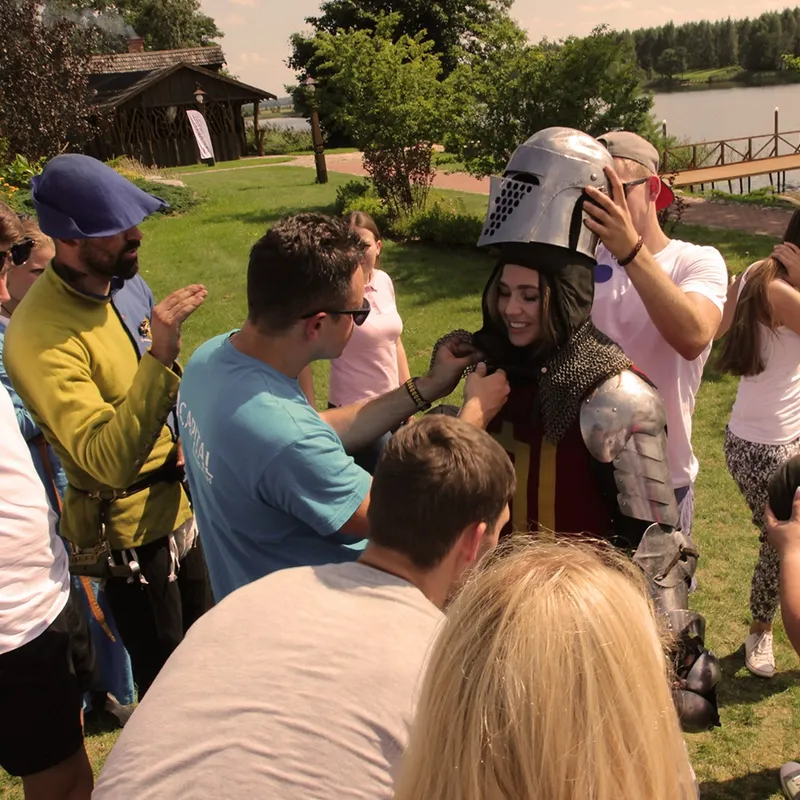
Knighthood in the Grand Duchy of Lithuania
A knights' war camp from the era of Vytautas the Great: an exhibition of weapons and heraldic banners, and a look at a knight's daily life and duties. Pupils try on helmets, feel the weight of armour and play knightly games.
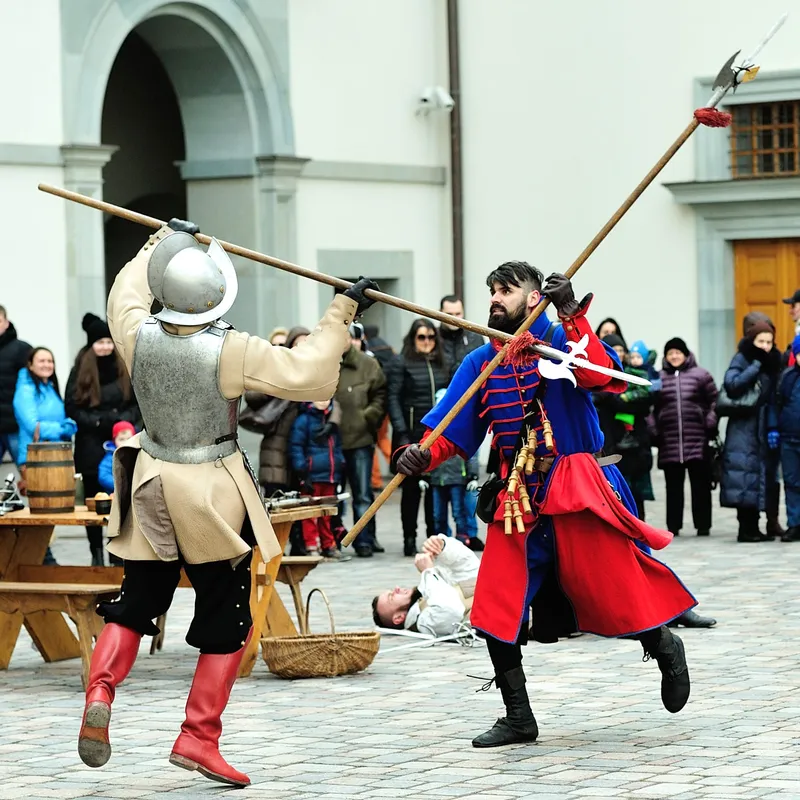
Nobility and Warfare in the Polish–Lithuanian Commonwealth
The era of hussars and musketeers: the arsenal of the period, a live weapons demonstration and an authentic military formation drill. Pupils experience how the army actually moved, not just hear about it.
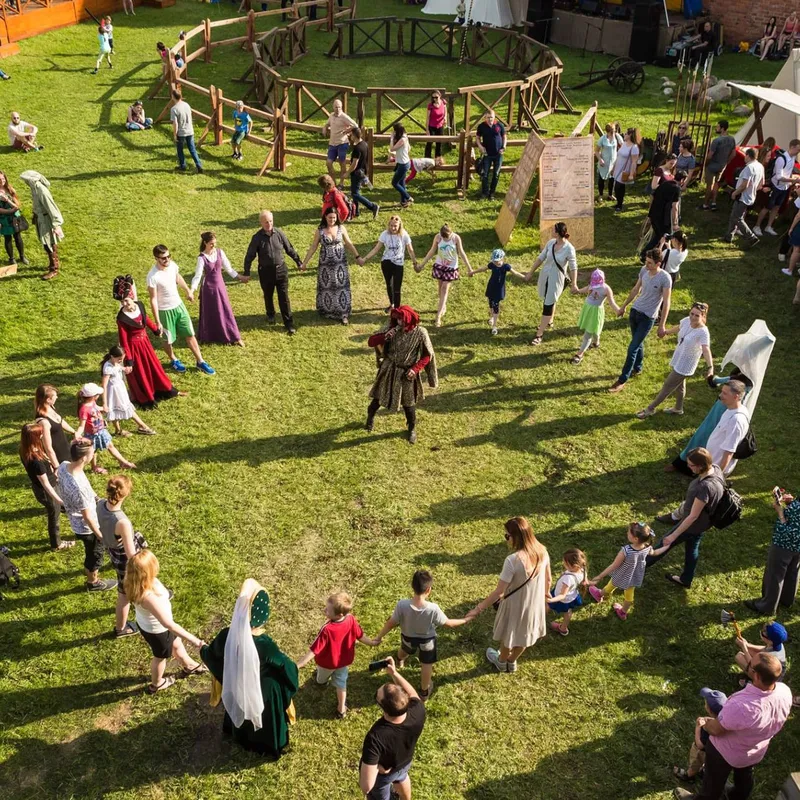
Court Culture and Dances
The nobility from the other side – etiquette and elegance. A short talk on court customs and manners, after which pupils learn the actual dance steps and manners of the period themselves.


The answers people need most
Can the educational programs run at our school?
Yes – educators travel to the school themselves with all the necessary equipment: weapons, armour and exhibition pieces. The session can be held in a classroom, an assembly hall, or the schoolyard; we agree the space together with the school based on pupil numbers and weather. No special hall or stage is needed, so any school can book the program regardless of its facilities.
Are all three programs funded through the Culture Pass?
Yes, all three – Knighthood in the LDK, Nobility and Warfare in the Commonwealth, and Court Culture – are listed under Lithuania's Kultūros pasas (Culture Pass) scheme. That means the school can pay for the session with Culture Pass funds instead of its own budget or parents' contributions. We recommend confirming the current booking rules in advance, since Culture Pass procedures can change between school years.
Are the educational programs safe for pupils?
Yes, fully safe. Every weapon used is a blunted reconstruction based on archaeological finds, made for safe handling rather than combat. During the interactive part of the session – trying on armour, holding weapons, playing historical games – experienced educators actively supervise pupils throughout, so teachers don't need to manage safety themselves.
How many pupils can take part in one session?
Optimally, one full class of up to 30 pupils, so every child gets a real turn trying on armour, holding a weapon, or joining a game rather than just watching. If you want the program for a whole year group or several parallel classes, we run it as consecutive back-to-back sessions so each group keeps the same level of hands-on participation.
Are the programs suitable for primary-school pupils too?
Yes. For primary grades (1–4) the content is delivered in a playful, visual way with more games and imagery, built to spark an early interest in history. Middle-grade pupils get more hands-on practice, and upper-grade pupils get a more analytical, historical-context framing – so the same topic is pitched at the right level for each age group.
See the price for this program
We will reply within one business day with an offer and a price.
Get a priceActive Fun & Workshops: more programs
All programs →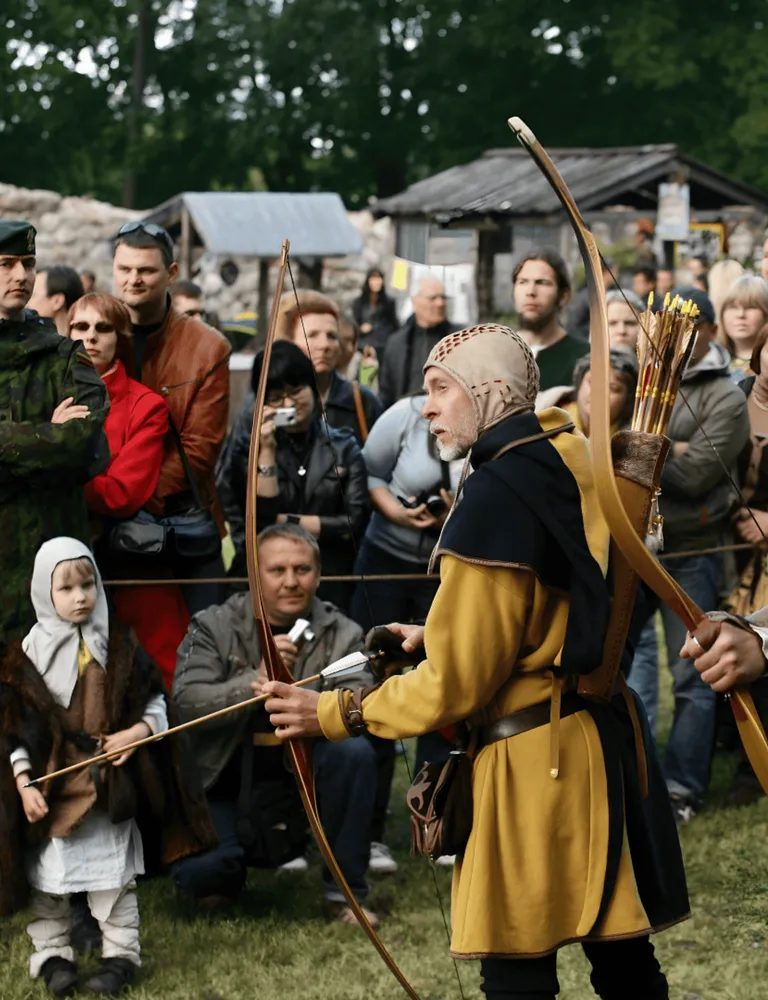
Archery and Crossbow Shootingfrom €415indoors and outdoors
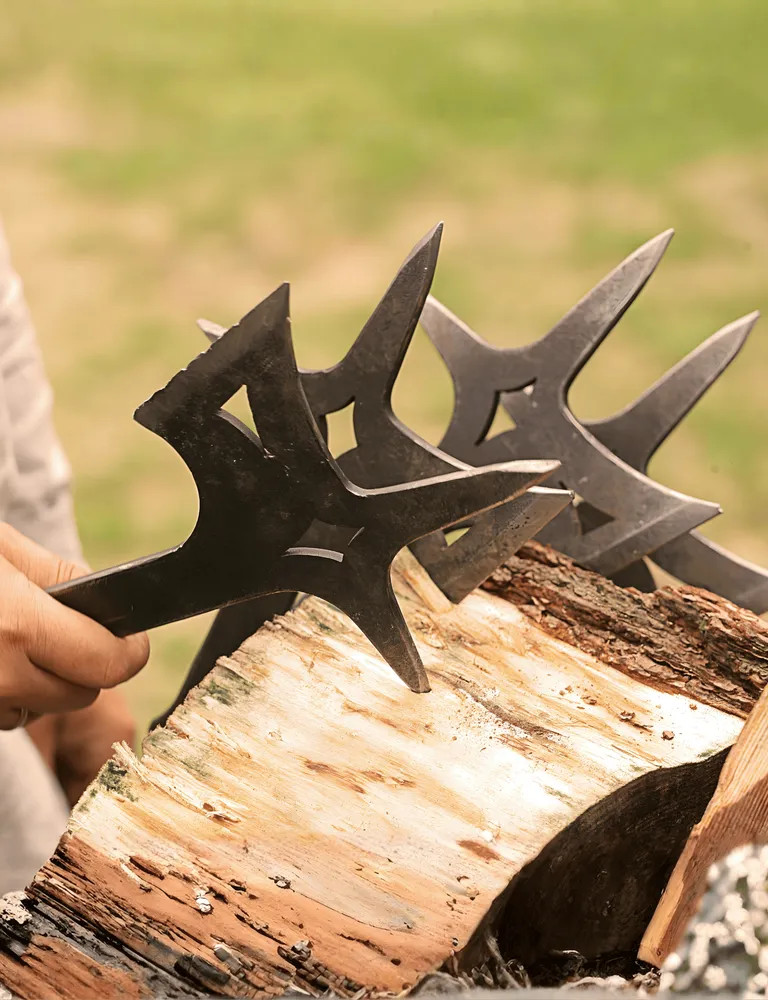
Axe and Spear Throwingfrom €385indoors and outdoors
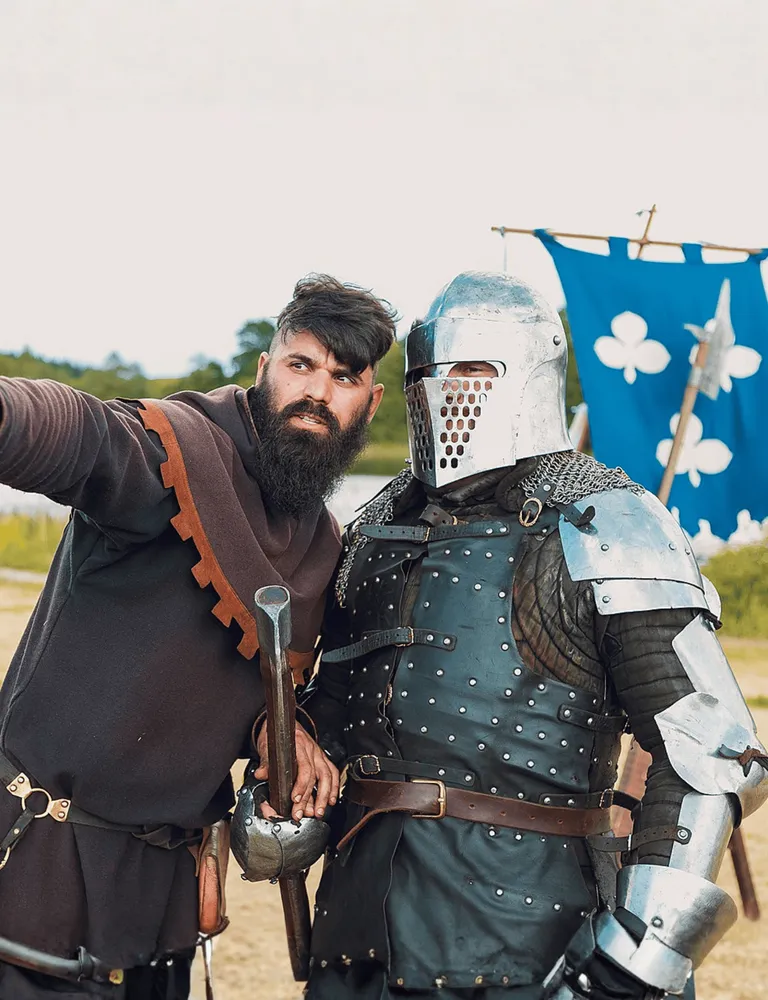
Medieval Warfare Contestsfrom €385indoors and outdoors
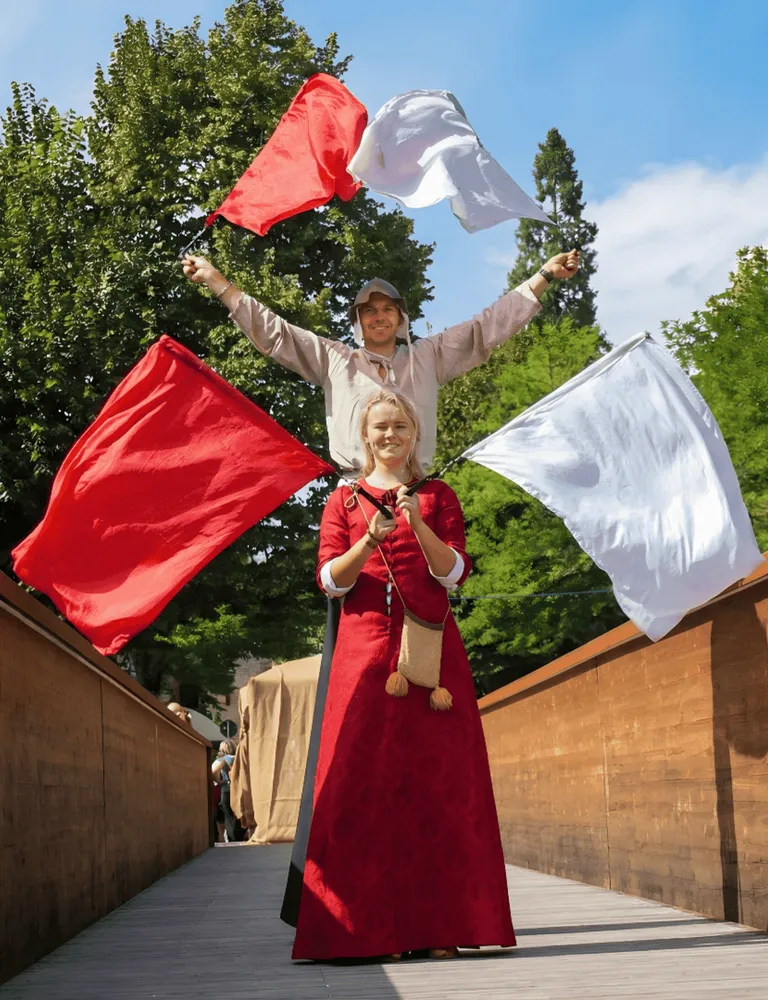
Juggling Schoolfrom €275indoors and outdoors
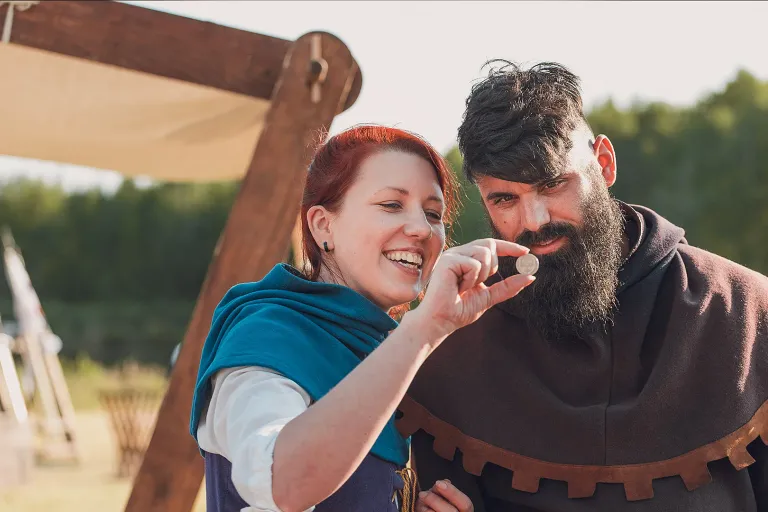
Medieval Coin Mintingfrom €75indoors and outdoors
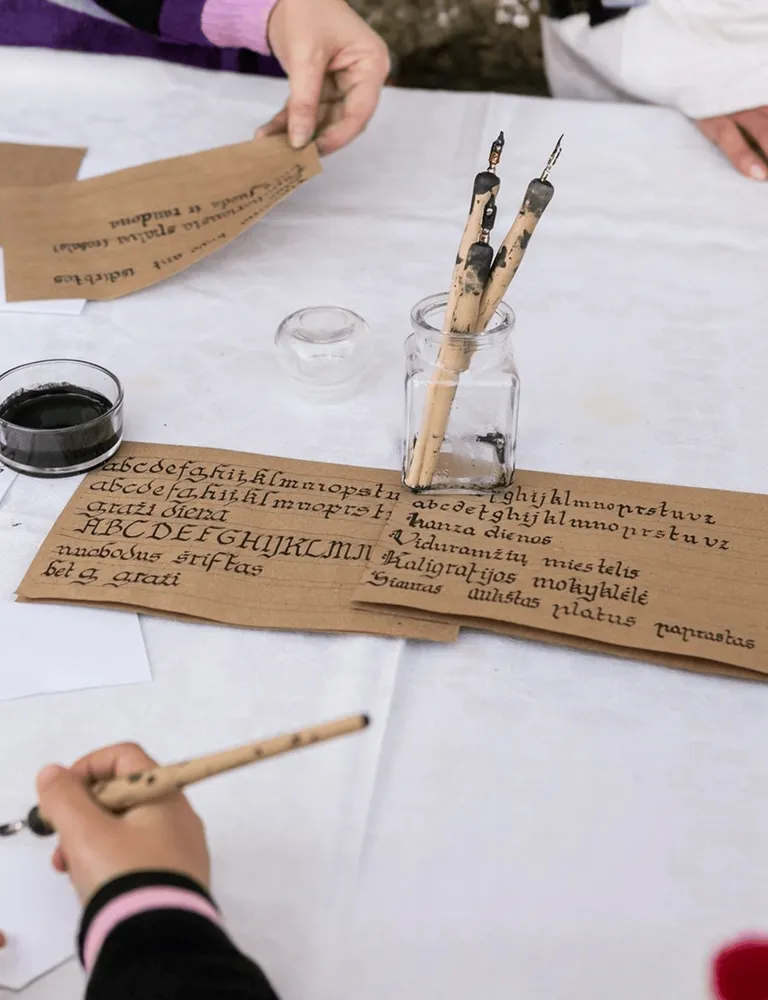
Medieval Craft Workshopsfrom €155indoors and outdoors
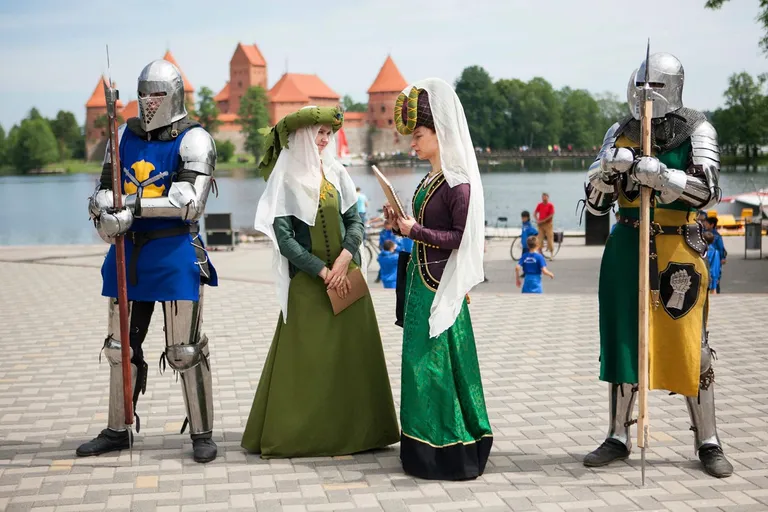
Theatrical Guided Excursions
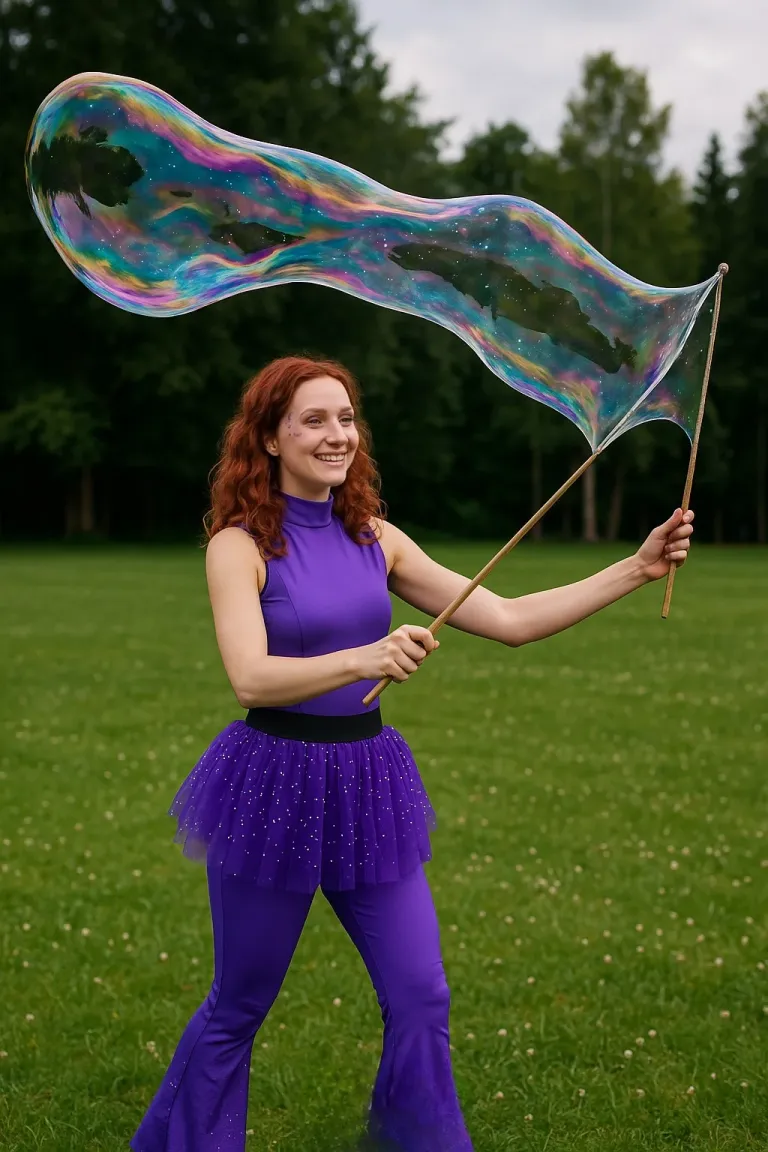
Soap Bubble Showfrom €195indoors and outdoors
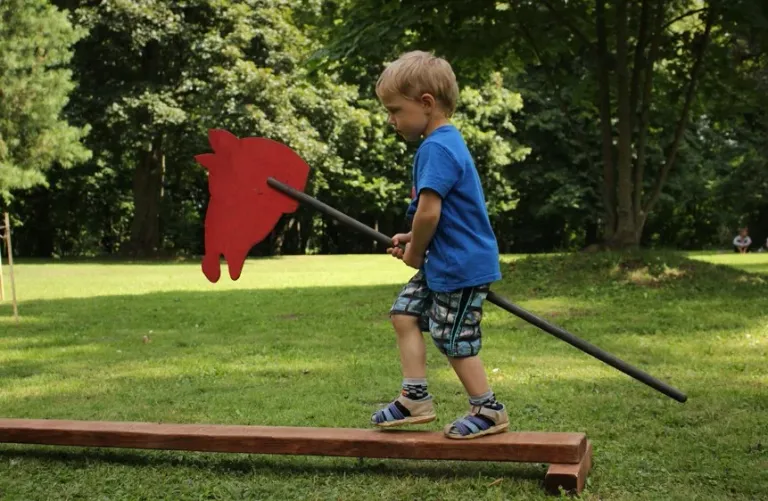
Medieval Games for Childrenindoors and outdoors